Good Things: Choosing Possibility Over Pressure
"It's a Good Thing" was Martha Stewart's signature catchphrase.
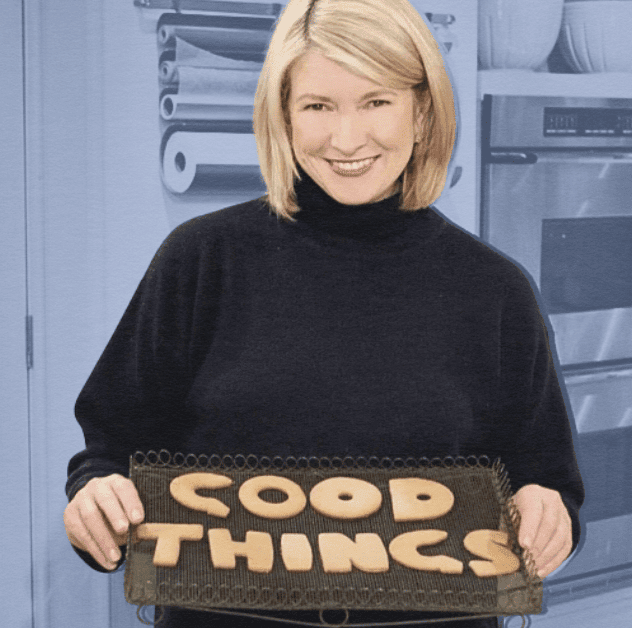
Each issue of Martha Stewart Living featured a one-page column after the Editor’s Letter called Good Things. A hero photo with a short inspiration and information showcasing a smarter, simpler solution - a better way to do something. A moment in the issue celebrating everyday ingenuity.
The column always finished with: It’s a Good Thing. It became her signature. SNL even parodied it. That’s when we knew ‘we’d arrived.’
What Martha was teaching was a way of seeing.
Inside the company, it became an operating system - for the brand, for leadership, for me. A belief that every obstacle contained the possibility of something better. Possibility doesn't begin with better circumstances. It begins with the willingness to imagine something that doesn't exist yet.
Permission to ask: what's possible here that we don't see yet?
It's a Good Thing isn't an outcome. It's a way of operating which chooses possibility over limitation. The innovative leader's version of "Yes, And".
Yes, this happened.
Yes, this is hard.
Yes, this is not what we planned.
Yes, and now what can we make from it?
Six or so issues into the magazine's launch, Martha wanted to take her brand to television, but Time Inc., which owned the magazine, shut her down. "We're a publishing company, not a broadcaster."
So Martha asked a different question: what would it take to buy back my company?
“$70 million.”
I thought it was an impossible number. Martha heard a problem worth solving.
Time Inc. responded to Martha with who the company was.
Martha asked, "What could we become?"
One protected what already existed. The other created what didn't.
How often do we turn down opportunities not because they're impossible, but because they don't fit the story we've already decided about who we are? Or the business we’ve decided we are.
Working inside that creative culture, we were expected to question everything in pursuit of the new, the better, the thing the market hadn't seen yet. It was the most inspiring place I've ever worked, because no one stopped to say "that's just how it's done."
This week, when your brain, your boss, or your business tells you "that's not what we do," pause before you agree.
Ask a different question. Who are we becoming?